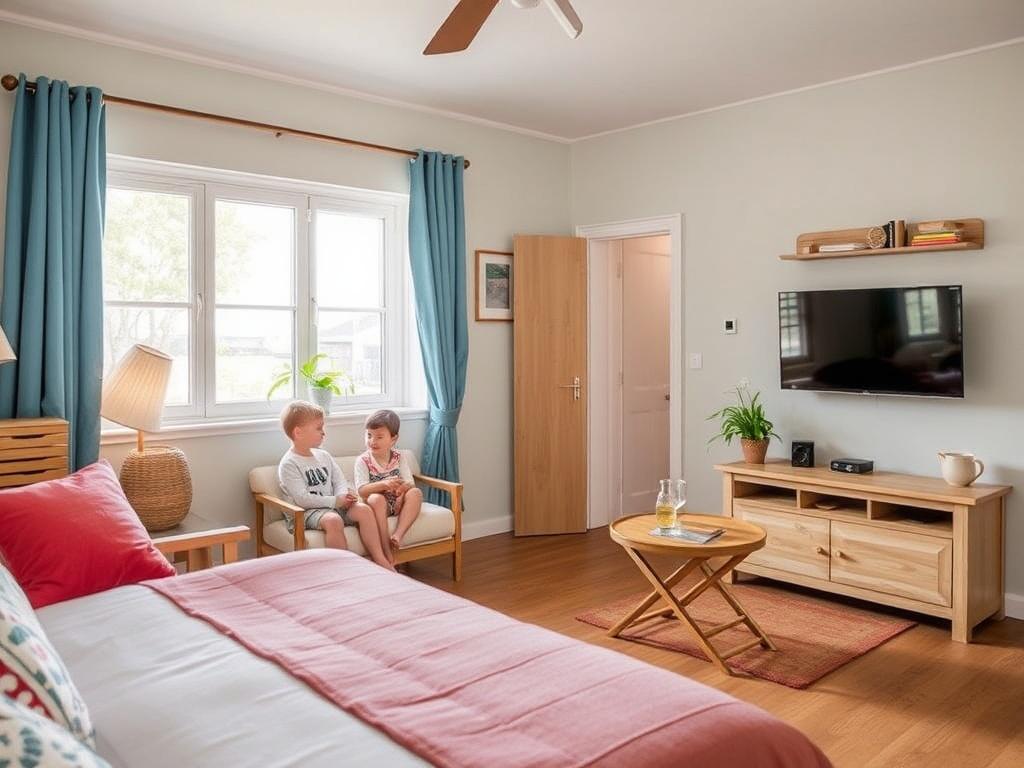
Choosing where to spend time together shapes how a family remembers a trip, and a pension—пансионат—offers a different rhythm from hotels or private rentals. Small, service-oriented, and often tucked into natural settings, these properties favor togetherness, routines, and simple pleasures. In this article I’ll walk through practical advantages, emotional upsides, planning tips, and real-life experience to help you decide whether a pension is the right setting for your next family escape.
What exactly is a пансионат and how it differs from other lodging
A пансионат is a mid-sized guesthouse or boarding facility that typically combines private rooms with communal services like meals, activities, and housekeeping. Unlike boutique hotels, pensions tend to be more family-oriented and less formal; unlike self-catered rentals, they provide structure and on-site services that simplify daily life. That combination—privacy plus shared infrastructure—is what makes them especially attractive for families who want convenience without the impersonality of large resorts.
Most pensions are run by local owners or small companies and can be found near beaches, lakes, mountains, or cultural towns. Their scale allows staff to know returning guests by name, to tailor meals and activities, and to keep an eye on children without the surveillance-heavy approach of big resorts. For families, this translates into a sense of belonging and reliable routines, which matter as much as scenery in a restful holiday.
Top practical advantages for families
When parents think of logistics—meals, supervision, laundry, safety—the pension model answers many of those questions in one place. Pensions typically include half-board or full-board meal plans, daily cleaning, and communal play spaces, removing repetitive chores from the vacation schedule. Less time spent coordinating logistics means more time for simple pleasures: reading on a terrace, exploring local paths, or playing board games at dusk.
Another practical benefit is cost predictability. Because food and many activities are bundled, families can forecast expenses more accurately than with pay-as-you-go hotel dining or separate vacation rentals. That stability removes a lot of micro-stress that otherwise creeps into family trips—no last-minute debates about where to eat or how to split the bill.
Child-friendly rooms and layouts
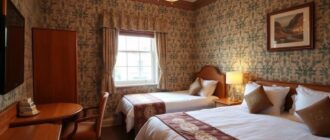
Pensions often provide family rooms or suites with flexible bedding arrangements, which is much more comfortable than cramming everyone into two twin beds. These rooms are designed after decades of hosting families, so they often include small conveniences like bedside lights for reading, extra outlets for devices, and quiet balconies where a parent can relax while children nap. The layout of the property usually allows kids to move between bedrooms and common areas without long corridors or unsafe staircases.
Because pensions are smaller, staff can adapt a room setup before arrival. If you need a crib, an extra chair, or a refrigerator for baby food, most places will accommodate those requests quickly. That responsiveness is a practical advantage when traveling with young children who require daily adjustments.
Meals, menus, and predictable dining
A major convenience of staying in a pension is the regular meal schedule and family-style dining. Breakfast, lunch, and dinner times create a dependable day structure that suits children and adults alike. For parents, the relief of not having to plan each meal is substantial; for children, regular meal times maintain energy and mood, especially during full days of activities.
Many pensions offer menus that can be tailored for picky eaters or dietary restrictions. Staff are used to accommodating allergies, vegetarian requests, and simplified portions for little ones. The communal dining room also becomes a social space where children make friends and parents exchange local tips—an informal support network that shows up when you least expect it.
On-site childcare and supervised activities
Not every pension runs a kids’ club, but many offer supervised activities, game rooms, and organized outings during peak season. This structure frees parents to take a short hike, enjoy a spa treatment, or simply read uninterrupted for an hour while knowing children are engaged nearby. The option of occasional childcare—without hiring a babysitter off-site—adds flexibility to family time.
Programs tend to be small-group and low-tech, focusing on crafts, nature walks, or simple sports that suit a variety of ages. The benefit is twofold: children get social stimulation appropriate to their level, and parents get a serene window of time that preserves their energy for the whole trip.
Safety and community oversight
Smaller properties naturally cultivate a watchful, neighborly atmosphere. Staff and owners can often spot potential hazards or notice that a child has wandered beyond safe limits. This community oversight gives parents an additional layer of comfort compared with larger, crowded resorts where faces are anonymous and staff rotate constantly.
In many pension settings you’ll find guests who are regulars, and those recurring visitors often look out for newcomers. That informal network—combined with on-site staff—creates a safer environment for children to explore without constant, exhausting supervision by the parents alone.
Emotional and relational benefits
The value of a family vacation is rarely measured only in activities checked off a list. A pension’s slower rhythm supports small rituals—morning coffee on the terrace, shared board games after dinner, watching a sunset together—that build memories more reliably than a packed itinerary. Those repeated gestures are the quiet glue of family travel.
Because pensions encourage communal living, families often find themselves mixing with other households, swapping stories, and learning from different parenting styles. These social moments broaden children’s perspectives and create multi-generational interactions that are rare in day-to-day life. For many parents, seeing kids form friendships across ages is one of the most rewarding outcomes.
Less screen time, more presence
Pensions typically lack the full set of technological temptations found in big resorts—no nightclub, fewer flashing advertisements, and often limited TV channels—so families have an easier time lowering screen usage. This reduction in digital distraction encourages conversation, games, and outdoor play. Parents who intentionally choose a pension often report that their children sleep better and reconnect more readily with simple pleasures.
That shift can be subtle but powerful: instead of scrolling through a map app looking for the “next big thing,” families linger in a small beach cove or follow a shaded trail. Those slower experiences create deeper memories and teach children how to observe rather than move quickly from one attraction to another.
Intergenerational travel made easier
Pensions are particularly well suited to family groups that include grandparents or other older relatives. The smaller scale, regular meals, and calm public areas provide a comfortable environment for mixed-ability groups. Rooms are often ground-floor or close to communal spaces, making mobility easier for older guests.
Intergenerational trips hosted in pensions allow grandparents to participate in childcare in a relaxed way, and they give children the chance to learn family stories and customs. Those moments—shared recipes at a long table, an elder teaching a local game—are difficult to stage in busy tourist centers but flourish in pension settings.
Health, nutrition, and restful rhythms
When a family’s daily stresses are reduced—no meal planning, no intensive housekeeping, no complicated logistics—sleep and overall well-being improve naturally. Pensions often emphasize fresh, local food and outdoor life, which supports healthier routines for everyone. Even small changes, like a predictable afternoon nap or a leisurely walk after dinner, can reset family rhythms in beneficial ways.
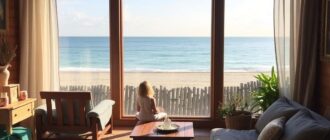
Many pensions are located near natural settings—coastlines, forests, or mountains—where the air quality, light, and pace promote relaxation. Access to nature is itself restorative; it lowers stress for parents and channels children’s energy into active play. For families dealing with anxious or overstimulated kids, that change in environment can be remarkably therapeutic.
Nutrition that adapts to family needs
Family-friendly pensions typically offer meals made from locally sourced ingredients and can adapt portions and flavors for children. Rather than relying on fast-food options or supermarket meals, families eat together at set times, which stabilizes blood sugar and behavior. This helps especially with younger children who respond well to routine.
Staff are usually aware of common dietary concerns and can recommend simple substitutions—plain rice instead of spiced pilaf, steamed vegetables instead of raw salads—for sensitive stomachs. These small accommodations prevent food-related meltdowns and keep the vacation momentum positive.
Wellness services and light medical support
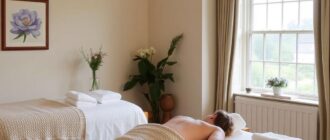
Some pensions offer basic wellness amenities—saunas, massage, light physiotherapy—or have partnerships with local clinics for minor medical needs. While not a replacement for a hospital, these services provide practical reassurance for families traveling with older adults or children prone to minor injuries. Knowing where to go for a quick check-up removes a layer of worry.
Even when formal services are limited, the friendly staff at pensions usually know local doctors, pharmacies, and emergency procedures. That local knowledge is valuable in a moment of need and is part of the package of attentive, small-scale hospitality these properties provide.
Activities for children and teens
Pensions support a range of activities that are intentionally low-tech and community-focused: nature trails, arts and crafts, small sports, and hands-on local experiences like vegetable harvesting or fishing trips. Those activities fit different ages and encourage cooperative play, not just passive entertainment. The result is a more diverse set of memories than a vacation driven solely by screen-based attractions.
Teens may appreciate the independence a pension affords—the ability to stroll into a nearby village, join a group hike, or relax with peers—while parents enjoy visibility without hovering. Children, on the other hand, benefit from structured playtimes and craft sessions that promote creativity and social skills.
Sample activity table by age group
The following table illustrates typical activities you might find at a family-friendly pension and the age groups that tend to enjoy them most.
| Activity | Suggested ages | Why it works |
|---|---|---|
| Nature walks and scavenger hunts | 4–12 | Engages curiosity, safe exploration with a guide |
| Craft workshops (pottery, painting) | 5–15 | Hands-on creativity suitable for a range of skills |
| Light water sports (kayak, paddle) | 8–18 | Physical challenge and confidence-building |
| Cooking classes with local recipes | 6–99 | Cultural learning and family bonding at the table |
This table is an illustration; specific offerings vary by region and season. Always check a pension’s activity schedule in advance if particular programs are important to your family’s interests.
How to choose the right pension for your family
Choosing a pension requires matching the property’s strengths to your family’s priorities: quiet relaxation, active adventure, cultural immersion, or health-focused rest. Start by listing the non-negotiables—dietary needs, mobility considerations, childcare options—then compare that list against a pension’s published amenities. A short pre-trip conversation with the owner can clarify many details that aren’t obvious online.
Read recent guest reviews but pay attention to specifics rather than general praise. Comments about food, noise levels, the friendliness of staff, and the condition of family rooms tend to be more reliable than broad statements like “great place.” If siblings need separate sleeping spaces or grandparents require elevator access, make those requirements explicit early in your booking process.
Checklist for comparing options
- Are meals included, and can menus be adapted for allergies?
- Is there on-site childcare or supervised activities?
- What are the sleeping arrangements for children and adults?
- Is the property accessible for older family members?
- How far is the pension from medical facilities and shops?
- What is the cancellation and weather-change policy?
Using a checklist focuses your search and prevents last-minute surprises. A two-week window before arrival is usually enough to confirm special requests like cribs or dietary adjustments.
What to pack and prepare
Pensions balance between providing household basics and asking guests to bring personal items. Pack efficiently: a small supply of preferred snacks, any specialized medication, favorite bedtime comforts for children, and a set of simple games for evenings. Don’t forget practical outdoor gear—comfortable shoes and weather-appropriate layers often make or break daily excursions.
Bring copies of essential documents—IDs, travel insurance, and a written list of medical needs—kept in a small, easily accessible pouch. If you travel with an older adult, include mobility aids or prescriptions in carry-on luggage to avoid complications if checked luggage is delayed.
Packing checklist
- Prescriptions and a basic first-aid kit
- Comfort items for children (blanket, night light)
- Weather-appropriate clothing and rain gear
- Reusable water bottles and a small lunchbox
- Chargers and a power strip for shared rooms
These items are small investments that reduce friction during the stay and keep everyone comfortable. The goal is to arrive ready to enjoy the pension’s structure rather than to improvise every need.
Budgeting and value comparison

When families evaluate lodging options, they often look only at nightly rates. That narrow view misses the larger picture: inclusive meals, childcare options, housekeeping, and activity programs can dramatically change the total cost and the perceived value. A pension that appears slightly more expensive per night may be a better bargain once you factor in what’s included.
For many families, value isn’t about the cheapest option; it’s about predictable costs and fewer unexpected expenses. With meals and often small activities included, pensions let you plan a daily budget more confidently. That reduces stress and allows families to focus on shared experiences rather than tracking receipts.
Value comparison table
The following qualitative table compares general features of pensions, hotels, and self-catered rentals to help visualize trade-offs.
| Feature | Pension | Hotel | Self-catered rental |
|---|---|---|---|
| Meals | Often included or available | On-site restaurants, variable | Guest must provide |
| Family-friendly services | High, personalized | Variable by brand | Low, unless arranged |
| Price predictability | High | Medium | Low |
| Privacy | Moderate | High | High |
These comparisons are general; individual properties will vary. When budgeting, list everything you expect to spend on meals, excursions, and transportation to evaluate the true cost of each lodging type.
Real-life example: our week at a coastal pension
Last summer my family spent seven days at a small pension on the Black Sea coast, and the experience crystallized why this model suits families. We arrived tired from travel and were greeted with a simple lunch and a cool welcome drink, which made the first afternoon instantly easier. The owners assigned a family room on the ground floor and arranged a crib in advance, details that would have been tedious to manage in a larger hotel.
Days settled into a comfortable rhythm: a fresh-baked morning pastry, a mid-day beach walk, a relaxed nap for the youngest, and arts-and-crafts sessions on the veranda for the kids. One evening the pension organized a short boat trip with a local fisherman, and my children still talk about learning to hold a simple fishing line. Those small, local experiences felt authentic and unhurried—exactly what we wanted.
On the practical side, we were relieved by the included meals. No one in our group enjoys restaurant-hopping with a toddler, and having predictable dinner times reduced many meltdowns. We also appreciated that the staff could recommend a nearby pediatrician when our youngest developed a rash, and that guidance kept a minor ailment from turning into a stressful situation.
Common concerns and practical answers
Some parents worry that pensions will be too rustic or lack modern conveniences. The reality is mixed: many pensions are modest but clean and well-run, while others have modern upgrades. The trick is to read property descriptions and recent reviews carefully and to ask owners about Wi-Fi, heating, and bathroom arrangements if those are important to you.
Noise is another common concern—what if other guests are loud or there are late gatherings? Smaller pensions often enforce quiet hours more stringently than large hotels because their clientele expects calm. If a quiet stay is essential, confirm noise policies and consider off-peak seasons when properties are less crowded.
Is a pension suitable for infants?
Yes, many pensions welcome infants and provide cribs, high chairs, and steady meal times that suit very young children. If you rely on specific formulas or need sterilizing equipment, confirm what’s available or plan to bring portable solutions. Pensions’ predictable routines and home-cooked meals can be particularly soothing for infants who thrive on repetition.
Are pensions family-friendly year-round?
Some pensions close in the off-season, while others operate year-round, particularly in mountainous or thermal areas. If you plan winter travel, check opening dates and ask about heating systems and snow access. Off-season stays can be especially peaceful and often more affordable, but ensure that essential services remain available.
Tips to make the most of your pension stay
To get the most from a pension, arrive with low expectations for luxury and high expectations for genuine hospitality. Bring patience for occasional quirks—older plumbing, simple furnishings—and instead focus on the relational benefits that such places offer. Engaging with the owners and staff often unlocks better experiences than formal concierge lists ever could.
Another tip is to prioritize flexible days. Keep a loose calendar with one planned outing and open time for spontaneous discoveries. Allowing room for unstructured play and shared activities gives families the freedom to savor the small, memorable moments that pensions encourage.
Practical habits to enjoy the stay
- Eat when the pension serves meals—join the main dining times to meet others.
- Pack a few compact games or a favorite book to use during quiet evenings.
- Talk to the owners about local walks or safe swimming spots; their tips are often the best.
- Respect quiet hours and communal spaces to maintain a pleasant atmosphere for everyone.
These small habits preserve the tranquil environment that makes pensions attractive in the first place and help create a stay that benefits everyone—from toddlers to grandparents.
How to prepare children for a pension stay
Talk to children about what a pension is and what the daily routine will look like: shared meals, communal play, and maybe fewer entertainment options than a city hotel. Framing the stay as an adventure—learning new games, meeting other kids, and trying local food—helps set positive expectations. Bring a few familiar items to ease transitions, and encourage children to contribute to small responsibilities like table clearing or packing their day bag.
For older kids and teens, discuss boundaries and independence. Many pensions allow for safe, short excursions, but agree on check-in times and routes before setting them free. Empowering teens with responsibility builds trust and allows parents to enjoy some time to themselves without constant worry.
Booking advice and timing
Peak season fills up quickly at popular pensions, so book as early as your plans allow if you want specific dates or rooms. If your schedule is flexible, consider shoulder seasons—late spring or early autumn—when weather is still pleasant but crowds are thinner. Booking directly with owners often yields better rates and more willingness to accommodate special requests than third-party platforms.
When you book, confirm cancellation policies, the exact services included (meals, linen, activities), and check-in/check-out times. Clear communication avoids misunderstandings and ensures the property can prepare for any specific family needs, such as allergy-friendly kitchens or nearby medical care.
Final thoughts on why families choose pensions

Families choose pensions because they offer dependable routines, communal warmth, and simple, memorable experiences that don’t require constant planning. The balance of private rooms with shared meals and activities creates an environment where relationships are the focal point, not logistics. For parents seeking a quieter, more connected holiday that still offers practical comforts, the pension model frequently delivers more value than its price tag suggests.
Whether you prioritize calm beaches, mountain walks, or cultural immersion, a well-chosen pension can become a place where your family slows down, shares stories, and builds small rituals that last long after the trip ends. If you value predictability, friendly hosts, and a community feel, consider a pension for your next family getaway and experience those advantages firsthand.