
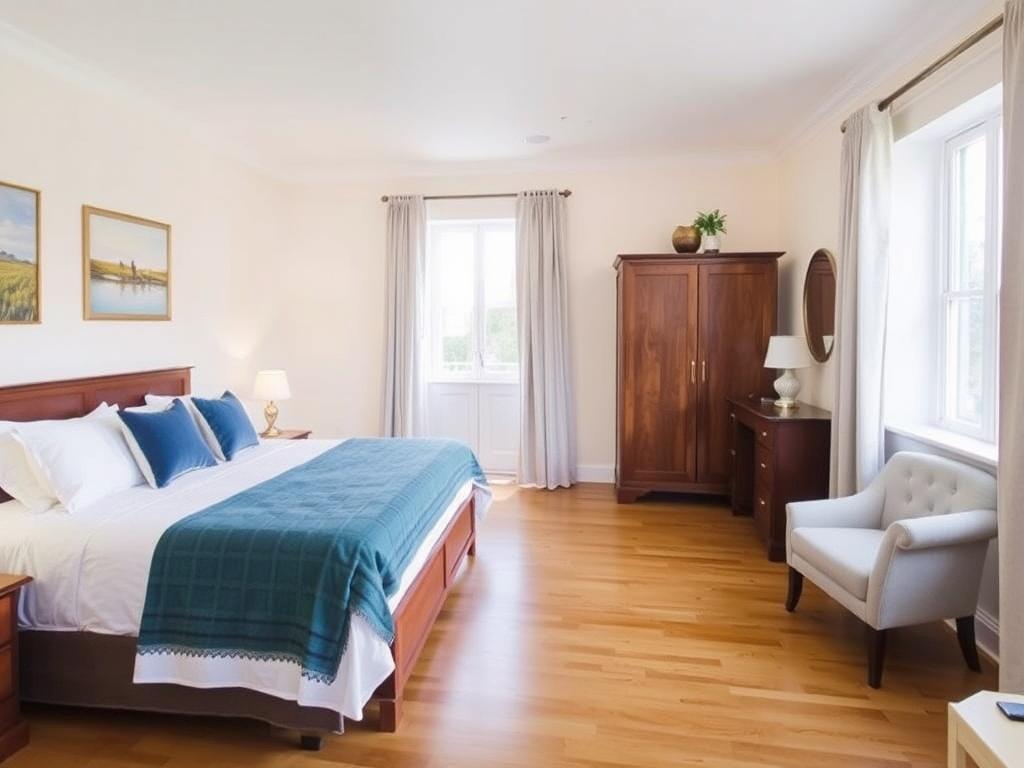
Choosing where to stay shapes a trip more than most travelers expect. The difference between a hotel and a pansiyon or guesthouse reaches beyond sheets and breakfast; it colors your mornings, your conversations, and sometimes the very stories you bring home. In this article I’ll unpack why many travelers now prefer the more intimate rhythms of a guesthouse and how that choice can change the way you travel.
Defining terms: what is a guesthouse or pansiyon?
There’s no single global definition, so words matter. In many parts of Europe and Russia, a pansiyon is a small, often family-run lodging that offers rooms and meals, sometimes with extra services like local excursions or mild health programs.
Guesthouses in the Anglophone world fill a similar niche: fewer rooms, more personality, and a proprietorship that shapes the experience. Expect a homier atmosphere, more local flavor, and staff who remember your name.
When comparing options, remember that hotels are a broad category—luxury chains operate differently from boutique city hotels—but a guesthouse’s compact scale and personal touch remain the defining contrasts.
Human connection trumps anonymity
One of the clearest, most immediate differences is the human scale. At a guesthouse, owners and staff are often on-site and visible, not tucked away behind a corporate desk, which makes the entire stay feel more relational.
Those interactions matter: the host who offers a homemade marmalade, the owner who steers you away from tourist traps, or the cook who prepares a family recipe—small gestures that create trust and a sense of belonging. Travel is richer when you feel recognized rather than processed.
I recall a seaside pansiyon where the proprietor offered to set a fishing line for my party and later cooked the catch that evening; no hotel concierge could have arranged that same spontaneous, local intimacy.
Meals that tell a story
Many guesthouses include breakfast and often dinner as part of the stay, and these meals are not merely fuel—they’re an introduction to place. Hosts frequently use local ingredients and traditional recipes, so dining becomes a cultural exchange, not a generic buffet.
Meals at a pansiyon can be scheduled events where guests gather at a single table, which fosters conversation and new friendships. This shared dining is especially valuable for solo travelers or families seeking connection.
By contrast, many hotels offer vast dining options and room service, which are convenient but can feel industrial. If you want to taste the region instead of the international chain, a guesthouse often delivers more authentic plates and stories behind them.
Value versus price: what you really pay for
Price is a surface metric; value is the deeper story. On paper a hotel might cost the same or even less than a guesthouse, but guesthouses frequently include services—meals, excursions, equipment use—that add up in savings and convenience.
Packages at pansiyons often include guided walks, local transfers, or use of small on-site facilities, which can remove the need for additional bookings and fees. This bundled approach simplifies budgeting and often proves more economical for families or longer stays.
Think beyond the nightly rate to what’s inside it. An extra fee at a hotel for dinner and a day trip can quickly outstrip the inclusive model many guesthouses provide, which changes the overall cost-benefit picture.
Location and immersion in local life
Guesthouses tend to sit in neighborhoods, villages, or seaside stretches where hotels might not. That placement grants direct access to markets, bakeries, and the rhythms of local life—places where you learn a destination’s tempo.
A hotel, especially chains, often clusters in tourist zones or business districts, convenient but somewhat detached from everyday culture. If your goal is immersion rather than observation, a pansiyon’s location is often more advantageous.
On a trip to the Black Sea coast, staying in a small family-run pansiyon meant morning walks through fishermen’s markets and invitations to local festivals—moments I wouldn’t have had staying at a beach-front high-rise.
Quiet, pace, and how you rest
Scale affects noise and pace. With fewer rooms and fewer guests, a guesthouse usually offers calmer evenings and a more relaxed daily tempo. That quiet fosters real rest, not just sleep between activities.
Hotels geared toward conferences or large tourism flows bring energy and activity, which can be stimulating but also restless. If your holiday goal is to recharge, consider that slower rhythms and less foot traffic will likely aid recuperation.
Guests who obsess over spa packages sometimes overlook the restorative effect of simple, undisturbed time—reading on a shaded terrace, listening to birds, or strolling a quiet lane—available in abundance at many pansiyons.
Personalized service and flexibility
Because guesthouses serve fewer people, they can—and often do—bend rules to suit guests. Late arrivals, dietary requests, or a last-minute change of plans are easier to accommodate when the owner knows your face and your needs.
Hotels have systems and policies by necessity; they’re excellent at consistency and scale, but that same structure can feel inflexible. If spontaneity and tailored arrangements delight you, a pansiyon tends to respond more personally.
A friend of mine once needed an early-morning packed breakfast for a dawn hike; a small guesthouse prepared it without a fuss while the nearby hotel insisted on the formal breakfast window. Small differences like that shape the memory of a trip.
Community and social opportunities
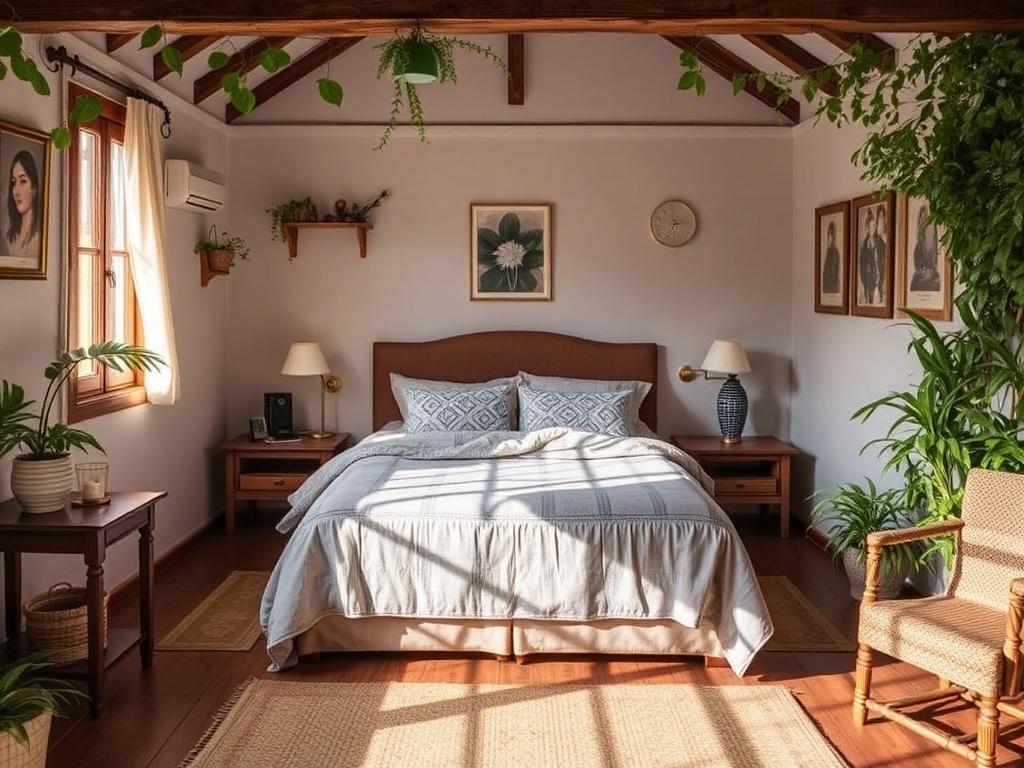
Guesthouses naturally foster conversations among guests because common spaces are smaller and often centered around shared meals or lounges. This makes them ideal for meeting people who become travel companions or keepers of local tips.
For solo travelers, the social architecture of a pansiyon is a major draw—structured interactions are frequent without feeling forced. You’re likely to swap stories on the terrace or join an impromptu walk to a nearby landmark.
Not every traveler wants that sociability, but if you do, the small scale of a guesthouse creates the conditions for genuine encounters that rarely happen in the anonymity of large hotels.
Design, character, and authenticity
Guesthouses often occupy converted houses, historic buildings, or family properties, which means their design reflects history and personality. You get mismatched furniture, original tiles, and owners’ curated decor rather than a templated aesthetic.
This character adds layers to your stay; you sleep in rooms with stories and artifacts rather than standardized comfort. Those details matter to travelers who value authenticity over uniformity.
Hotels can be stylish and beautifully designed, but their brand consistency is precisely what erases local quirks. If you want a living room that feels local rather than a lobby that could be any city, favor the guesthouse option.
Health, wellness, and specialized programs
In some countries, pansiyons offer specialized wellness or rehabilitation programs—light physiotherapy, therapeutic diets, or climate-based convalescence—especially on coasts and in mountain towns. These services can be an important advantage for travelers with health needs or seniors seeking restorative stays.
Hotels may have fitness centers and spas, but they often lack the local medical orientation or long-term wellness focus that certain guesthouses provide. The latter can combine hospitality with a therapeutic sensibility rooted in local practices.
When choosing a place for health-related rest, search for guesthouses with verified medical affiliations or certified staff, and read guest reviews focused on those services to ensure safety and quality.
Family travel and multigenerational stays
Guesthouses often provide rooms that accommodate families more comfortably and flexibly than hotel rooms designed for short stays. Kitchens, family dining, and common rooms make daily life with children or grandparents simpler and less stressful.
Multigenerational travel benefits from the homelike layout of many pansiyons—separate sitting areas, small gardens, and quieter corners where everyone can find space without splintering activities across elevators and lobbies.
We stayed in a mountain guesthouse with my parents and a toddler, and the evening routine—home-cooked supper, board games in a shared room, and an early, peaceful night—made the trip restorative for everyone involved.
Safety, trust, and local accountability
Small businesses often have stronger local accountability than large chains, because the host’s reputation lives in the community and travels by word of mouth. That can translate into better informal security and trustworthy local advice.
In remote areas where local knowledge matters—tides, mountain trails, or seasonal weather—the host’s expertise is not only convenient but can be crucial for safety. Hotels rely on centralized protocols that may not address regional quirks.
That said, always verify safety measures and certifications, especially if a guesthouse is in a specialized location or offers adventure activities. Local knowledge is valuable but should be complemented by proper standards.
Environmental footprint and sustainability
Smaller properties often have lower environmental footprints by default: fewer rooms, local food, and modest energy use. Many guesthouses practice sustainability out of necessity and ethos, sourcing produce locally and minimizing single-use plastics.
Hotels can be leaders in sustainability too, but their scale sometimes makes genuine green practices harder to implement comprehensively. When environmental responsibility guides your choices, look closely at a property’s policies rather than assuming chain branding equates to virtue.
A useful question when booking: does the guesthouse partner with local farms or hire locally? Those answers reveal more about ecological and social responsibility than glossy sustainability slogans.
Flexibility in duration and rhythm of stay
Guesthouses can be more flexible with check-in times, length of stay, and small schedule adjustments, which suits travelers whose plans evolve. This agility can eliminate the friction of rigid hotel timetables.
For slow travel—staying a week or a month—guesthouses often prove more welcoming and cost-effective, offering discounts or special arrangements. They can be true second homes rather than merely temporary lodging.
I once extended a two-night stay at a countryside pansiyon into a week after falling in love with the local rhythm; the owners helped me find a quieter room and arranged laundry and shopping pickups—simple kindnesses that scaled into an effortless longer stay.
How to pick the right guesthouse for your trip
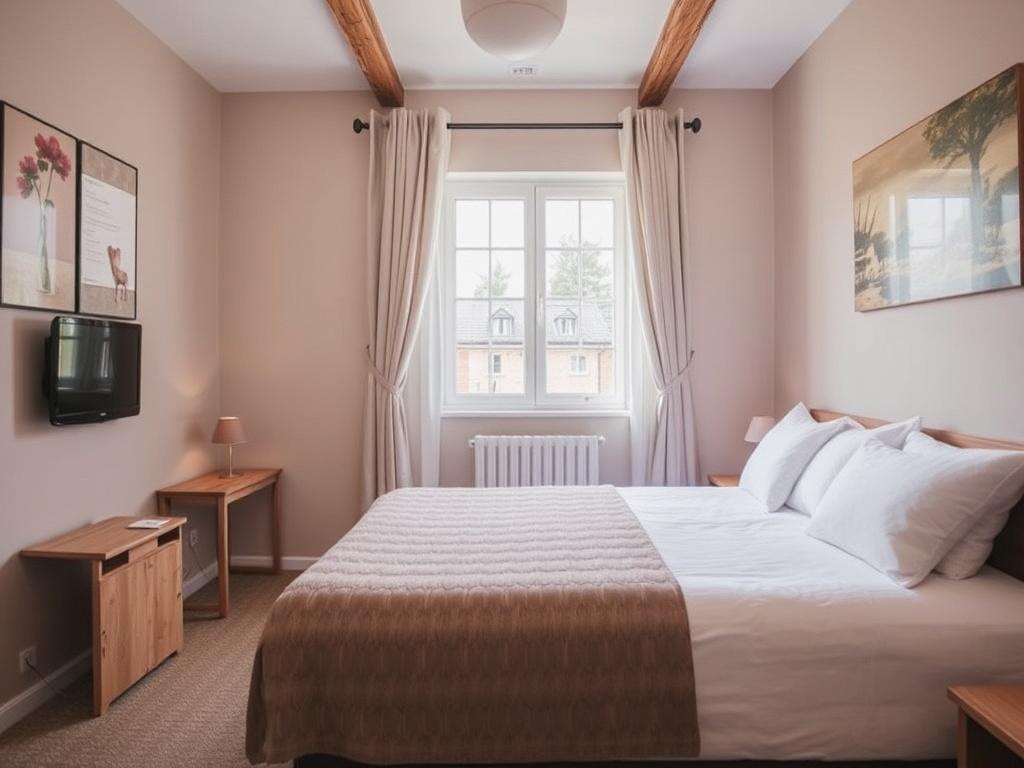
Start with location priorities: do you want closer ties to a village, to natural sites, or to town conveniences? Matching the guesthouse’s location to your travel goals is the single most important decision after price and dates.
Read recent guest reviews for specifics: cleanliness, responsiveness, and whether meals are truly included as advertised. Pictures are helpful, but reviews reveal the lived reality of a stay.
Contact the host directly with key questions—dietary needs, accessibility, or activities—because a responsive owner is a strong indicator of the service you can expect. Personal communication often reveals more than glossy listings.
Comparing features: guesthouse vs. hotel
Below is a concise table to visualize typical differences. Remember individual properties vary, and exceptions exist on both sides.
| Feature | Guesthouse / pansiyon | Hotel |
|---|---|---|
| Scale | Small, intimate | Small to very large |
| Service personalization | High | Standardized |
| Meals | Often family-style, included | Multiple outlets, à la carte |
| Local immersion | Strong | Variable |
| Price structure | Inclusive packages common | Modular pricing, many add-ons |
| Design & character | Authentic, unique | Branded consistency |
Practical tips to get the best guesthouse experience
Book early in high season; small properties sell out fast, especially in sought-after areas. If your dates are flexible, inquire about shoulder-season discounts for lower rates and quieter surroundings.
Pack light but bring a treat: a small gift from home—chocolates, a coffee blend, or a book—can open doors and create rapport with hosts. That human gesture often leads to invitations and insider recommendations.
Respect house rules: many guesthouses operate on family rhythms like quiet hours or set meal times. Observing these customs pays respect and deepens your connection to the place and its people.
When a hotel is still the right choice
Hotels retain clear advantages: predictability, extensive facilities, and corporate standards that can be reassuring for business travel or when you need services like conference rooms or 24-hour reception. Choose a hotel when those features matter.
For ultra-luxury amenities—large spas, multi-restaurant complexes, or concierge networks across cities—hotels typically outperform guesthouses. The choice is about priorities rather than a universal better option.
In uncertain or high-security contexts, such as major city hubs or when traveling with large equipment groups, a hotel’s capacity and infrastructure may be more practical. Balance comfort with your itinerary’s demands.
Personal story: a week that rewrote my travel habits
Years ago I planned a week on a Mediterranean coast and, by chance, booked a small family pansiyon. The itinerary I had was wiped clean by slow breakfasts, neighborly talks, and a fishing excursion organized at dusk.
What surprised me was how quickly the guesthouse’s rhythm rewired my trip expectations: I swapped a full schedule of tourist sites for mornings wandering markets and afternoons talking with an elderly neighbor about olive harvesting. The trip felt more like a temporary residency than a tour.
That week changed how I travel: now I often choose depth over breadth, preferring places that let me live for a bit rather than merely visit. Guesthouses facilitate that depth in a way hotels seldom replicate.
Common misconceptions about guesthouses
One myth is that guesthouses are always cheaper—sometimes they are, but sometimes inclusive meals and packages make them costlier than a bare-bones hotel. Compare total costs, not just rates.
Another misconception is that guesthouses are less safe or less professional. Many are highly reputable and provide excellent service; safety varies by property, not by category. Do your homework and read verified reviews.
Finally, some travelers assume guesthouses lack amenities. They may lack a massive pool or business center, but many compensate with hand-crafted comforts, well-maintained common areas, and community-focused services.
Booking strategies and what to ask
When contacting a guesthouse, ask concise, specific questions: is dinner included and at what time, are there laundry facilities, what is the cancellation policy, and how is internet connectivity? These details avoid surprises.
Ask about accessibility if that matters—steps, uneven floors, and narrow staircases are common in historic buildings. Honest hosts will tell you what’s practical and what’s not.
Finally, consider paying a small deposit directly to a host for a private booking; many guesthouses prefer direct communication and sometimes give better rates or perks to guests who book with them rather than through third-party platforms.
How guesthouses support local economies
Money spent at a family-run guesthouse often circulates directly within the town: local farmers deliver produce, artisans supply décor, and workers are hired from nearby. This multiplier effect strengthens small economies in a tangible way.
By choosing a pansiyon you frequently support hands-on jobs and preserve cultural heritage that can be diluted by mass tourism. The choice becomes a small act of responsible travel that benefits communities.
If social impact matters to you, ask a prospective guesthouse about their suppliers and hiring practices; their answers reveal how your stay contributes to the local economy.
Seasonal considerations and timing your visit
Guesthouses can vary dramatically with the seasons: some are lively in summer and close in winter, while others offer off-season charms like local festivals and lower prices. Check seasonal schedules before planning.
Off-peak travel offers compelling advantages: better host attention, calmer sites, and a different kind of authenticity when locals aren’t catering solely to tourists. If you can shift dates, consider the quieter months for a deeper experience.
Conversely, peak festivals or harvest seasons may justify booking early to secure a room during culturally rich times. Align your trip with the local calendar if festivals or seasonal produce are part of your interest.
Accessibility and mobility: what to check
Many guesthouses occupy historic or rural buildings with uneven floors, narrow corridors, and stairs. If mobility is a concern, ask early about ramps, elevator availability, and bathroom accessibility to avoid uncomfortable surprises.
Some guesthouses adapt rooms for accessibility; others simply aren’t practical for travelers with limited mobility. Transparent communication before booking is essential to ensure a safe, pleasant stay.
When in doubt, request photos of entrances and bathrooms or ask for a video walkthrough. A candid host will accommodate your needs or recommend nearby alternatives with appropriate facilities.
The role of online platforms and reviews
Online booking platforms expanded access to guesthouses, but they can also obscure the small nuances that define a great stay. Read multiple recent reviews and pay attention to responses from hosts to gauge service and reliability.
Look for patterns in reviews—consistent praise or recurring issues are more meaningful than single comments. Photos uploaded by guests often reveal the clearest picture of what to expect.
It’s worthwhile to cross-check listings: sometimes direct contact with a guesthouse yields better rates or additional options that platforms don’t display. Don’t be afraid to reach out directly after initial research online.
Customizing your stay: add-ons and local experiences

Guesthouses frequently arrange tailored activities: guided hikes, cooking classes, boat trips with local skippers, or farm visits. These personalized offerings are often cheaper and more authentic than big-tour alternatives.
If hands-on experiences interest you, ask the host what they recommend and whether they can arrange a private guide or a home-cooked experience. Personalized activities create memories that standard tours rarely produce.
Choosing excursions through a guesthouse also supports local guides and businesses, which keeps tourism benefits within the community rather than exporting them to large tour operators.
Final thoughts on choosing the right place for your next trip
Deciding between a guesthouse and a hotel comes down to what you value: intimacy, local flavor, and flexible, human service versus predictable infrastructure, scale, and branded amenities. Each has moments when it’s the wiser choice.
For travelers who want to live in a place rather than view it from a distance, pansiyons and guesthouses offer access to daily rhythms, home-cooked food, and relationships that linger after the trip ends. Those elements reshape travel into something more personal and memorable.
Consider your priorities, read carefully, and—if you can—lean toward places that connect you with people and place. Often, that choice becomes the heart of a trip rather than a footnote, and it’s why many now ask themselves, Почему стоит выбрать отдых в пансионате вместо отеля when planning a meaningful getaway.